

Unlocking Healing Through Play: The Power of Play Therapy
- info0439723
- Mar 25, 2025
- 2 min read
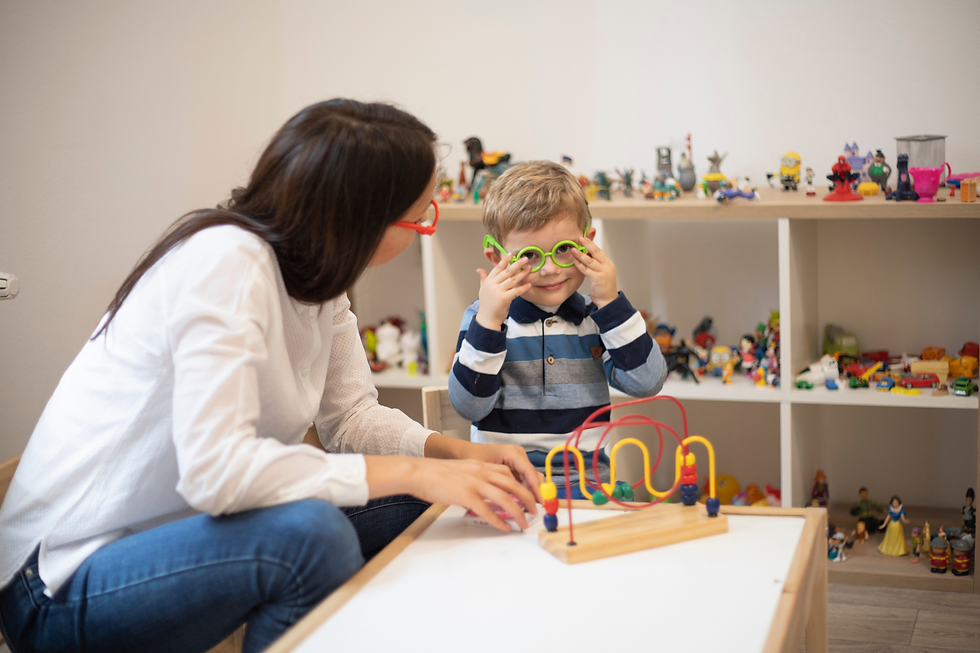
In a world where children often struggle to articulate their emotions, play therapy serves as a vital bridge to understanding and healing. Rooted in the belief that play is a child's natural language, play therapy provides a safe and supportive environment where children can express their thoughts, feelings, and experiences without the pressure of verbal communication.
What is Play Therapy?
Play therapy is a structured and evidence-based therapeutic approach that utilizes play as a means for children to explore and resolve psychological challenges. This form of therapy is particularly effective for children aged 3 to 12, though it can be adapted for older individuals. Through toys, games, art, and storytelling, therapists help children communicate their emotions and develop coping skills in a non-threatening manner.
How Play Therapy Works
Play therapy sessions are conducted by trained professionals who observe, engage, and guide children through various activities tailored to their individual needs. Depending on the child's circumstances, play therapy can be either directive, where the therapist leads the session with specific interventions, or non-directive, allowing the child to take the lead and express themselves freely.
Common play therapy techniques include:
Sand tray therapy – Children use figurines and objects in a sandbox to create scenes that reflect their emotions and experiences.
Dollhouse play – Helps children express family dynamics and social interactions.
Art therapy – Drawing, painting, and sculpting allow children to externalize their inner world.
Storytelling and role-playing – Encourages children to process emotions and practice problem-solving.
Benefits of Play Therapy
Play therapy has been proven effective in addressing a variety of emotional and behavioral challenges, including:
Anxiety and depression – Helps children express and process overwhelming emotions.
Trauma and grief – Provides a safe space to work through difficult experiences.
Behavioral issues – Supports self-regulation and impulse control.
Social and communication skills – Enhances relationships and builds confidence.
The Role of Parents and Caregivers
While the therapist plays a crucial role, parental involvement is also key to the success of play therapy. Therapists often work with caregivers to reinforce positive communication, model effective emotional responses, and create a supportive home environment. Parent-child interaction therapy (PCIT) is one example where parents actively participate in structured play sessions to strengthen their bond with their child.
Conclusion
Play therapy is more than just fun and games—it’s a profound therapeutic tool that unlocks emotional healing and resilience in children. By embracing the power of play, therapists, parents, and caregivers can help children navigate life’s challenges with confidence and emotional well-being. If you believe your child could benefit from play therapy, consider reaching out to a licensed play therapist to explore the possibilities of this transformative approach.


Comments